Optimisation
Quebit reads live traffic and continuously retimes and coordinates your signals — no static plans, no waiting for the next retiming study.
Up to 50% less delay on optimised corridors.
The platform
Quebit reads live traffic and continuously retimes and coordinates your signals — no static plans, no waiting for the next retiming study.
Up to 50% less delay on optimised corridors.
Continuous counts become travel-time, behavioural and origin-destination insights from every connected intersection.
Decisions backed by live movement data, not once-off surveys.
Surface near-misses, speeding patterns and conflicts involving pedestrians and cyclists — before they become incidents.
Know your highest-risk intersections, and fix them first.
Connected intersections automatically detect violations like red-light running and capture evidence-grade records.
Consistent compliance without extra patrols.
Test signal plans and infrastructure changes in a digital copy of your network before committing budget to the road.
Try it virtually before you spend on it physically.
How it works
Today — cameras wired straight to the signal controller. With Quebit — high-fidelity vision in, intelligent signal control out.
Insights
Every connected intersection streams high-fidelity data to Quebit, which turns it into the analytics your engineers and planners actually use — not once-off manual surveys.
See how long journeys really take across your corridors, and exactly where and when the delay builds up.
Surface near-misses, speeding and conflicts with pedestrians and cyclists before they become incidents.
Spot congestion and anomalies before they spread, with forecasts built on continuous movement data.
Know where traffic genuinely comes from and goes — full OD movement patterns across your network.
Intelligent control
Quebit doesn't just watch — it acts. The same module that reads your cameras retimes your signals to the conditions on the ground, right now.
Signal timing adjusts continuously to live demand at each intersection — no static plans, no retiming studies.
Coordinate consecutive intersections so platoons ride a wave of greens along your busiest corridors.
Intersections communicate in real time, optimising the whole network together instead of one junction at a time.
Detect and prevent blocked boxes, spillback and runaway right-turn queues before they lock up the intersection.
Case study · George
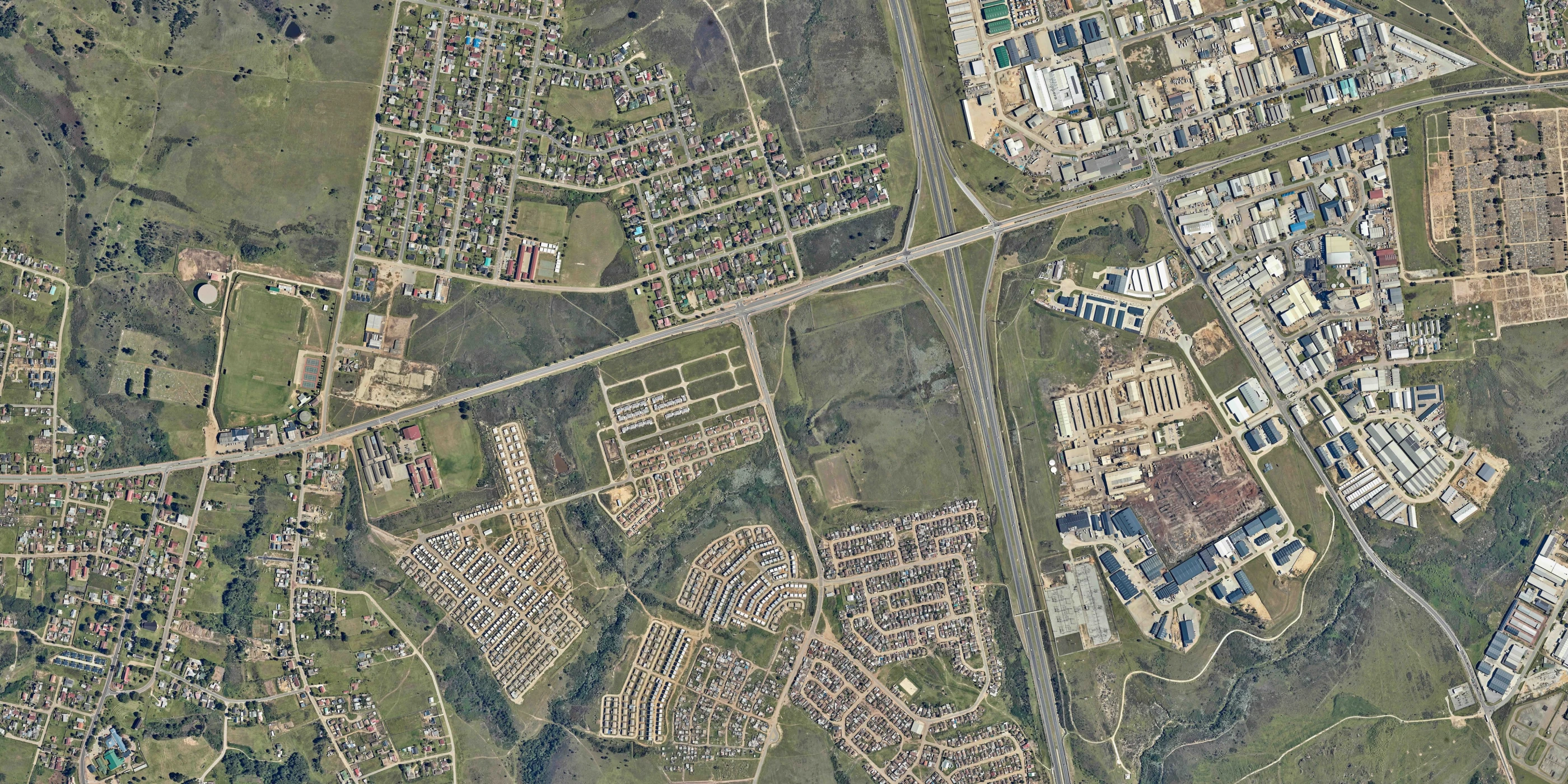
Quebit's live trial on one of George's busiest corridors retimes signals continuously through the day — and the difference is measured, not estimated.
Average intersection delay
Seconds per vehicle, by time of day
Average queue length
Vehicles per approach, by time of day
Illustrative figures — placeholder data pending final trial results.
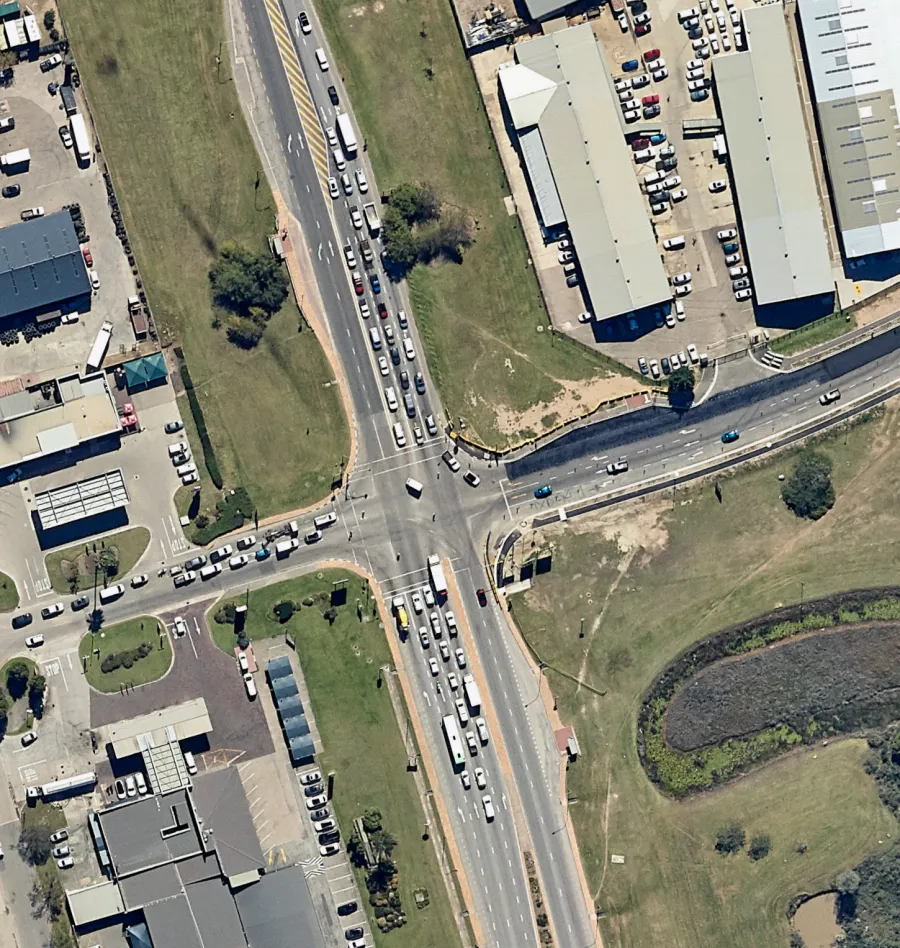
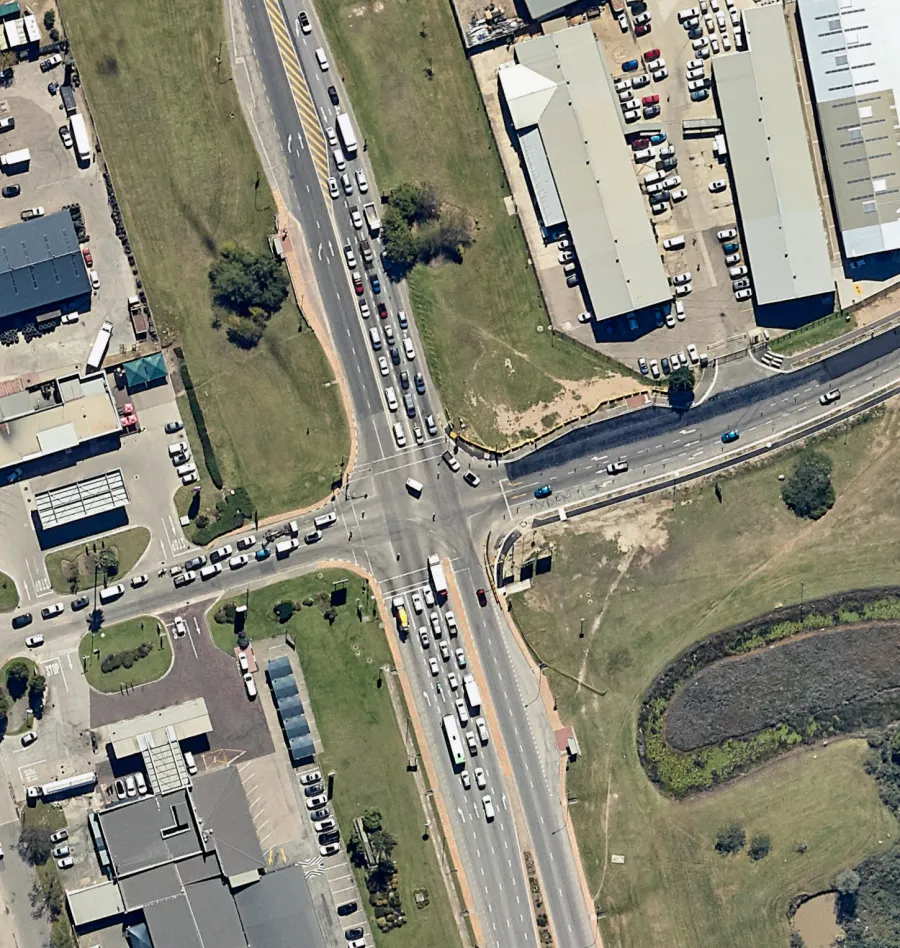
Placeholder imagery — pending final trial footage.
Plans
Start with visibility, add control, then scale to full network-wide optimisation — all on the same platform.
Runs on TrafiCam AI
Visibility & insights
Runs on TrafiCam AI
Adaptive control
Runs on the Quebit Camera
Full network platform
| Feature | Core | Plus | Ultimate |
|---|---|---|---|
| Visibility | |||
| Turning movement counts | ✓ | ✓ | ✓ |
| Traffic light operation monitoring | ✓ | ✓ | ✓ |
| Intelligent alerts and notifications | ✓ | ✓ | ✓ |
| Waiting time analysis | ✓ | ✓ | ✓ |
| Vehicle class distribution analytics | ✓ | ✓ | ✓ |
| Queue length estimation and monitoring | – | – | ✓ |
| Insights | |||
| Historical traffic trends and reporting | ✓ | ✓ | ✓ |
| Travel time and delay analytics | – | ✓ | ✓ |
| Performance improvement reporting | – | ✓ | ✓ |
| Advanced behavioural traffic analytics | – | – | ✓ |
| Predictive congestion and anomaly detection | – | – | ✓ |
| Origin-destination (OD) movement insights | – | – | ✓ |
| Control | |||
| Remote signal timing management | – | ✓ | ✓ |
| Single-intersection adaptive signal control | – | ✓ | ✓ |
| Schedule-based greenwave synchronisation | – | ✓ | ✓ |
| Real-time inter-intersection communication | – | – | ✓ |
| Network-wide real-time adaptive optimisation | – | – | ✓ |
| Intelligent extension logic (fewer vehicle stops) | – | – | ✓ |
| Spillback, blockage and right-turn queue management | – | – | ✓ |
| Safety | |||
| Red-light running detection and safety monitoring | – | – | ✓ |
| Accident and incident detection | – | – | ✓ |
| Smash-and-grab detection | – | – | ✓ |
| Wrong-way driving detection | – | – | ✓ |
Core and Plus run on TrafiCam AI hardware. Ultimate runs on the Quebit Camera, which unlocks queue, behavioural, OD, safety and full network-wide real-time control. Hardware is included — no capital expenditure.
Hardware
A purpose-built traffic camera backed by shared edge-AI compute — full vision and control at the intersection.
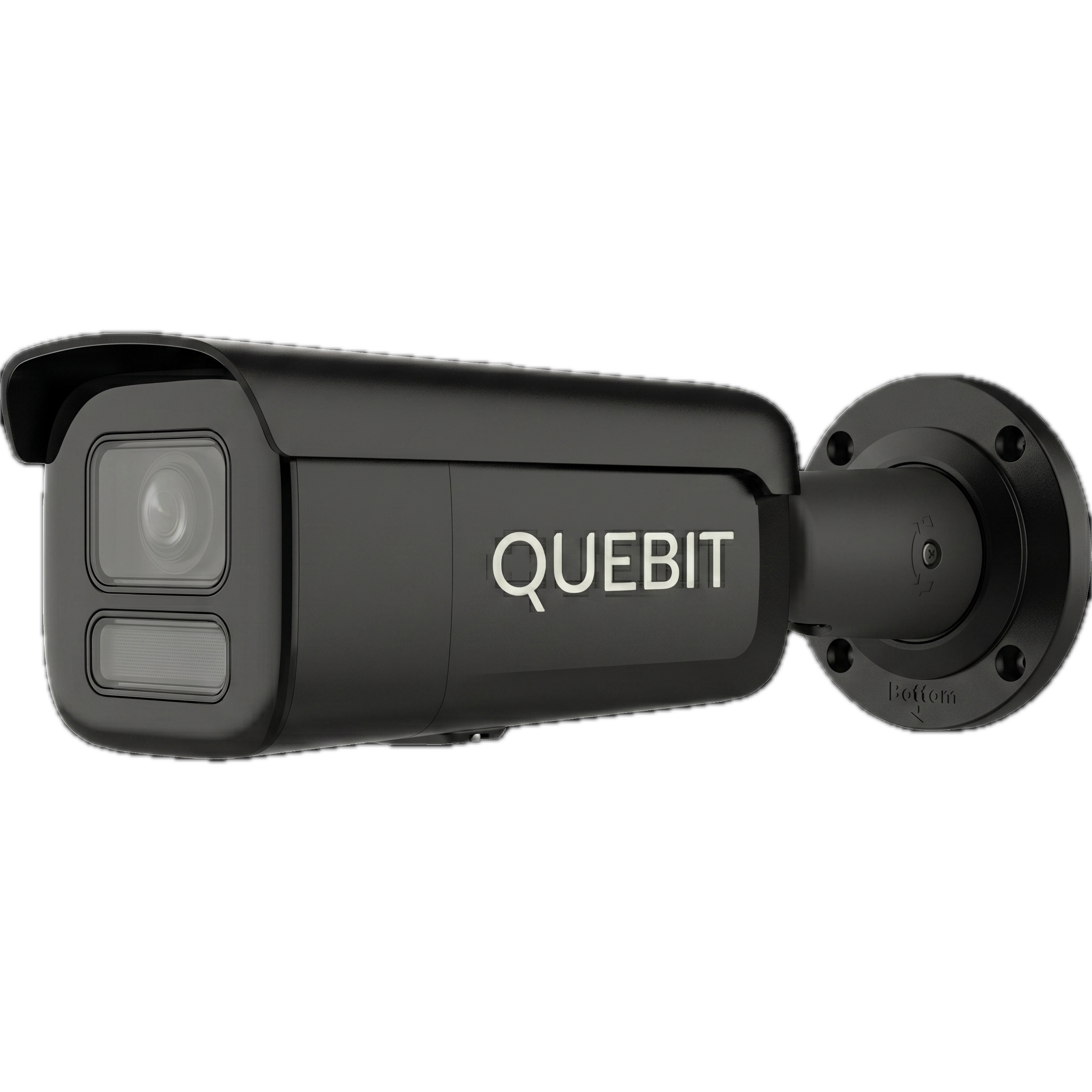
A weatherproof, dual-sensor head with integrated illuminator reads every approach in fine detail — day or night. It mounts on a standard bracket and connects to your existing signal controllers.
Centralised compute
The vision AI runs on a shared NVIDIA Jetson — not inside the camera. That keeps each camera low-cost and replaceable, so a collision at the intersection won't write off expensive hardware. And because a single Jetson processes up to four cameras, the cost per intersection drops further still.
What it unlocks
The Quebit Camera powers the Ultimate tier.